
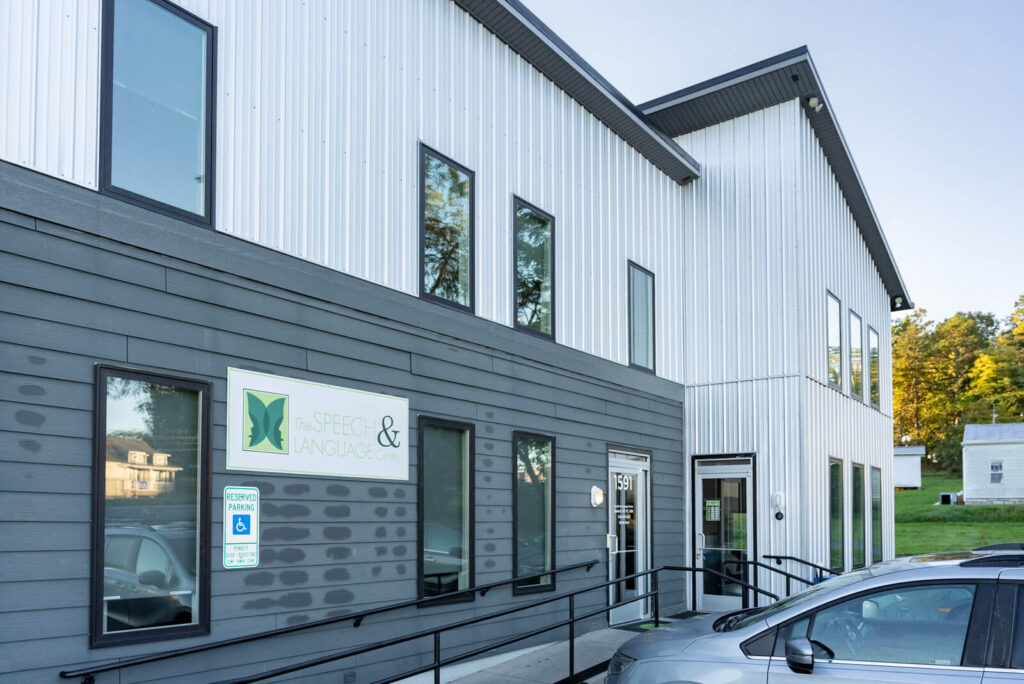
Occupational Therapy at SLC
Our occupational therapists support clients in developing fine motor skills, self-care abilities, and sensory regulation to help them succeed in all areas of life.
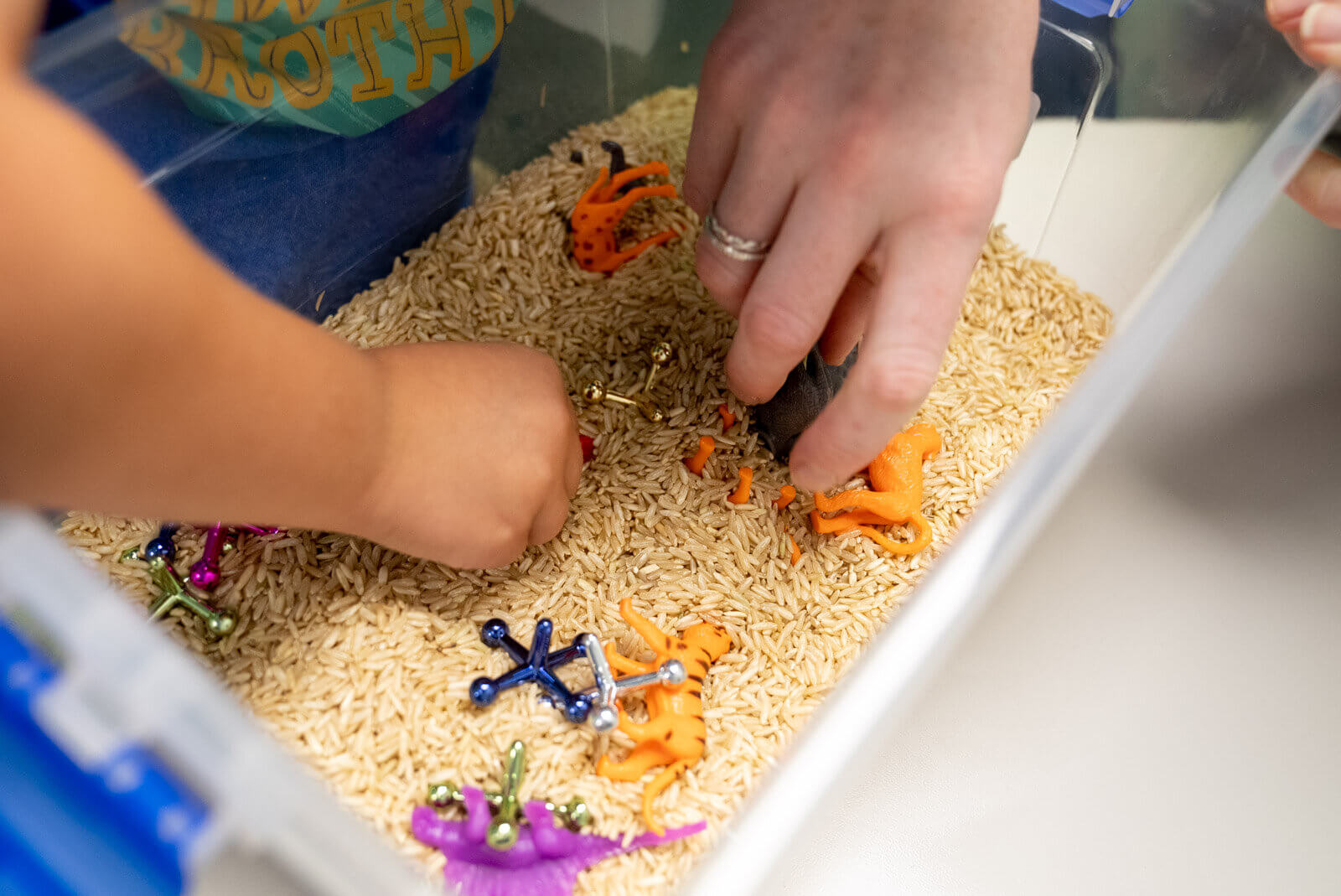
How Occupational Therapy Helps
We all need to feel able to take care of ourselves and our daily tasks with confidence. No matter what physical, emotional, neurological, or sensory challenges we may be facing, we can all progress towards our goals and navigate our world more readily with a little knowledgeable support and the right tools.
Occupational therapists help people across the lifespan participate in meaningful tasks and activities independently in the home, school, community and work environments. Activities of daily living include dressing, bathing, toileting, grooming and eating and some instrumental activities of daily living include meal preparation, clothing care, cleaning, shopping, and care of others/pets.
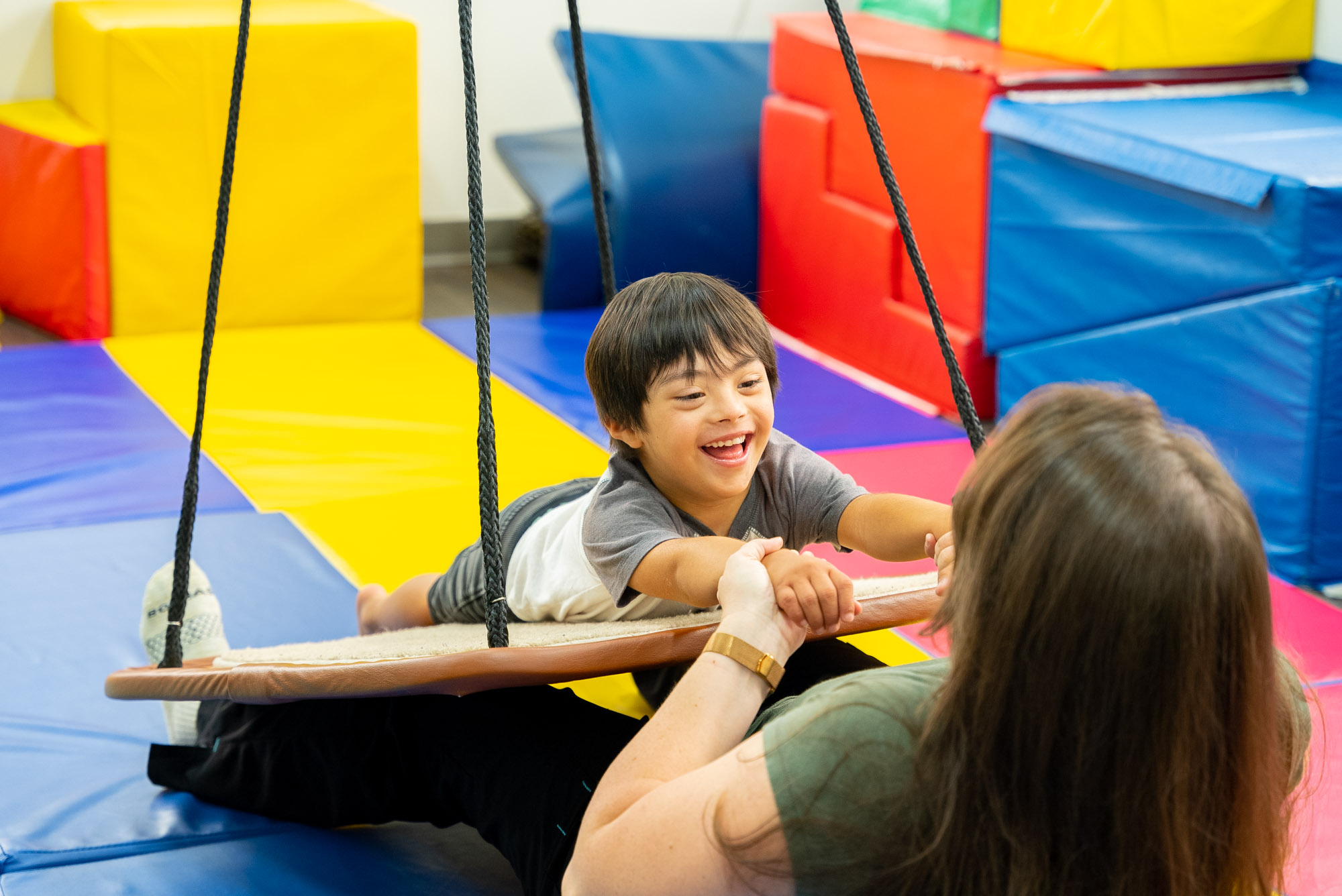
What is Occupational Therapy?
Have you ever wondered what happens in an Occupational Therapy session, or what makes Occupational Therapy different from Physical Therapy and not at all like Career Counseling?
Did you know that all of us, even children, have “occupations?” (Hint: in this context, ‘occupation’ is not another word for ‘career.’) Many people need Occupational Therapy for identifying unique individual barriers and strengthening specific skills in order to enhance their ability to do the things they’d like to do, and our Occupational Therapists can help.
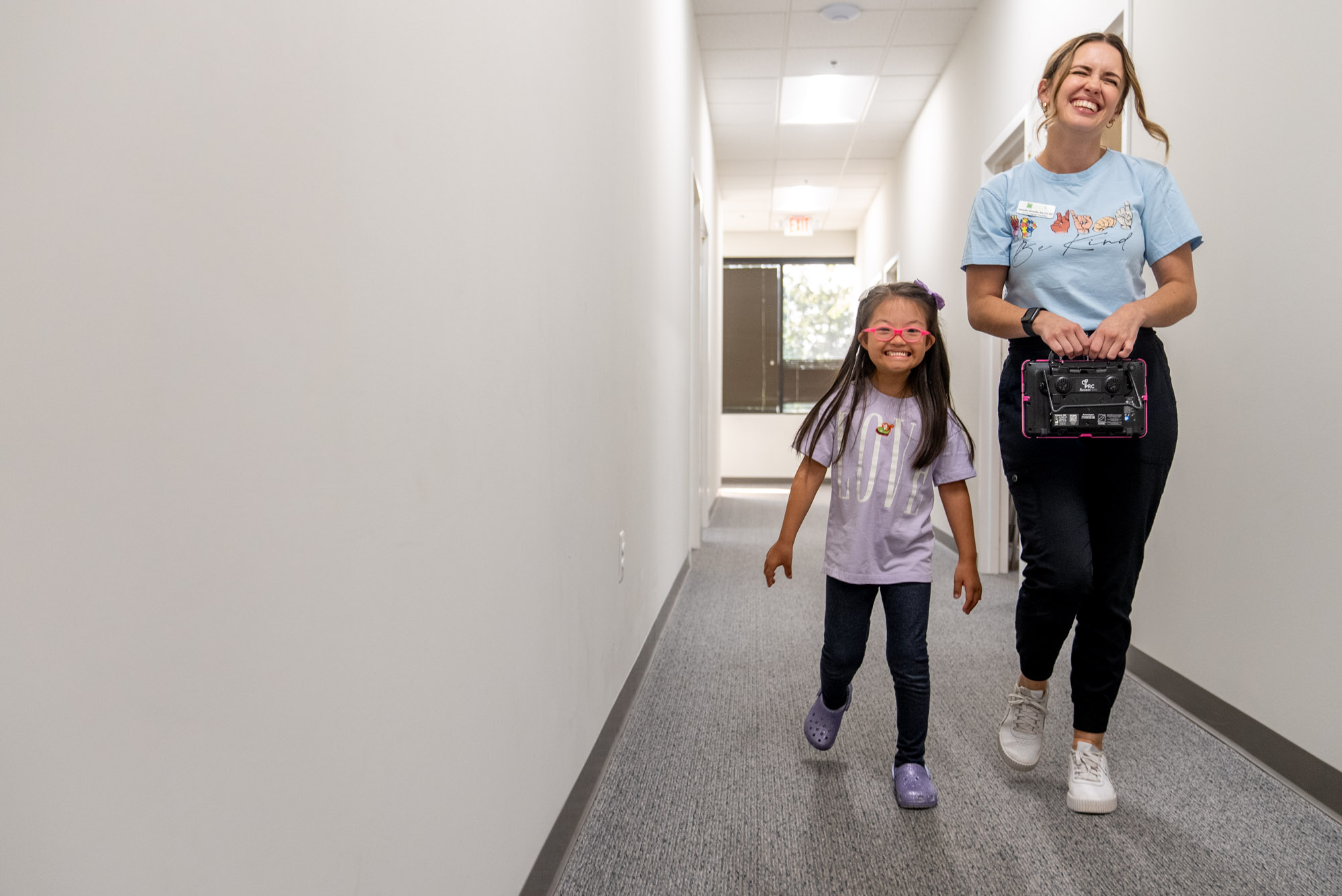
What do Occupational Therapists Treat?
Our clients may come to Occupational Therapy seeking support with:
Our hold Masters or Doctoral degrees, are licensed in the state, and are nationally registered by NBCOT. Occupational Therapists
Our therapists are skilled in treating sensory integration and processing, fine motor, neurodevelopment, physical disability, vision, feeding, and motor coordination. Specific certifications and training include:
Sensory Integration and Praxis Test (SIPT) Certified
Pediatric Conferences: VOTA School Symposium AOTA Pediatric Specialty Conference
Pediatric Conferences:
VOTA School Symposium
AOTA Pediatric Specialty Conference
- Activities of daily living (ADLs)
- Attention
- Developmental milestones
- Dynamic Movement Intervention
- Emotional regulation
- Feeding
- Low muscle tone
- Play skills
- Torticollis Treatment
- Visual Perception
- Fine motor skills development (e.g. Handwriting, Grasp)
- Gross motor skills development (e.g. sitting, standing, walking, reaching, throwing, catching)
- Infant massage
- Neuromotor
- Sensory processing and integration
- Visual Motor Integration
Who Can Benefit From Occupational Therapy?
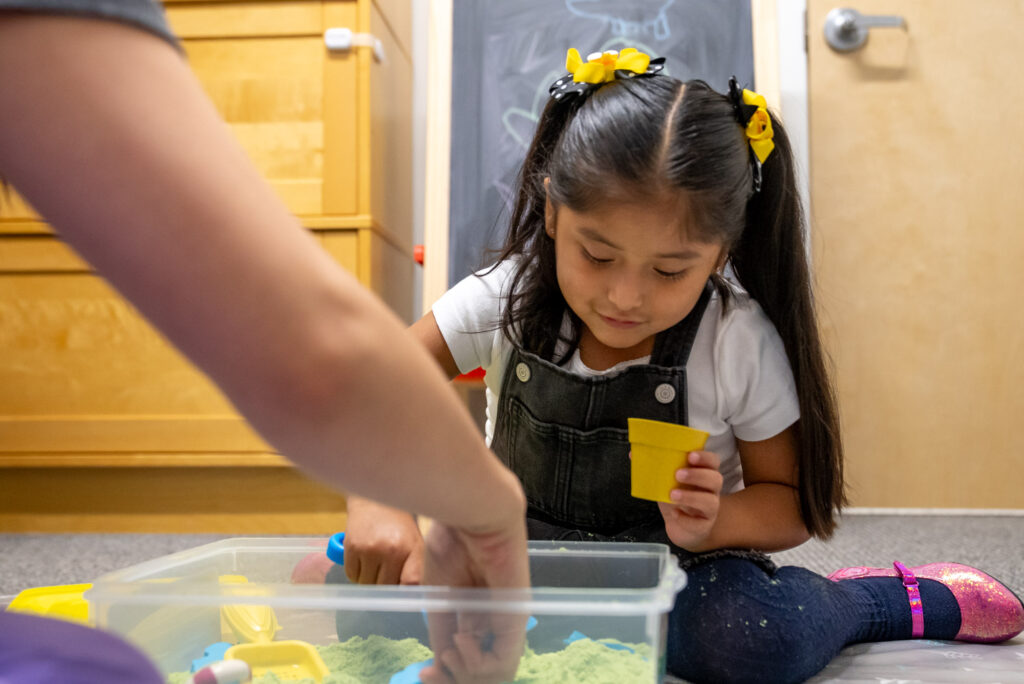
Occupational therapists work with individuals 0-99+, though at the Speech and Language Center our OTs primarily work with the pediatric population (infant to young adult age). OTs work with individuals who may have diagnoses due to a developmental delay, injury, disability, or illness. Some of the most common diagnoses include Autism Spectrum Disorder, Cerebral Palsy, Down Syndrome, Stroke, Attention Deficit-Hyperactivity Disorder, Oppositional Defiance Disorder, genetic disorders and more.
Are School-Based and Outpatient Occupational Therapy Different?
Outpatient occupational therapy follows a medical model while school based OT follows an educational model. Outpatient occupational therapists work with individuals to enhance functional participation in the home, community and school setting, while school occupational therapists support the student through academic challenges.
Outpatient therapy is able to address a wider variety of skills usually on a one-to-one basis and emphasizes a family-centered approach, often including the parent/caregiver through the evaluation, goal setting, and discharge process. Outpatient OTs can use a variety of intervention strategies including but not limited to: play, sensory integration, strengthening, handwriting, coordination, fine motor, visual perceptual, and socialization skills.
There is some overlap in these closely related services, but the differences in scope of practice help us to clarify when there may be a need for both school-based as well as outpatient services, and why in some cases only one or the other is needed.
Palladino, B. (2019). Outpatient vs. School-Based Occupational Therapy. Brains Potential.
https://brainspotential.com/outpatient-vs-school-based- Retrieved from: occupational-therapy/
Stoffel, A. & Schleis, R. (2014). Frequently Asked Questions (FAQ): What is the Role of Occupational Therapy in Early Intervention?. The American Occupational Therapy Association. Retrieved from: https://www.aota.org/~/media/ Corporate/Files/Practice/Children/Browse/EI/Role-of-OT_1/Early-Intervention-FAQ.pdf
Benefits of Occupational Therapy
Build Independence
Gain confidence in daily tasks like dressing, eating, and grooming.
Develop Motor Skills
Improve coordination, strength, and control for everyday movements.
Address Sensory Needs
Help with sensory processing challenges for better focus and comfort.
Improve Emotional Regulation
Support strategies for managing frustration, attention, and behavior.
Achieve Developmental Milestones
Support progress in play, learning, and physical skills.
Our Locations

Occupational Therapy in Harrisonburg, VA (Spotswood Trail)
Learn More
Occupational Therapy in Loudoun County, VA (Ridgetop Circle)
Learn MoreWhat Families Are Saying
Read inspiring stories of progress and growth from the people we’ve helped.
Find Answers to Your Questions
You may have questions about our services and how we can help. Here are some of the most common ones:
What is occupational therapy?
Occupational therapy helps individuals build skills to participate in meaningful daily tasks like dressing, eating, playing, or learning.
What age groups do you work with?
We primarily work with children and young adults, but occupational therapy can benefit individuals of all ages.
Who can benefit from occupational therapy?
OTs work with individuals who may have diagnoses due to a developmental delay, injury, disability, or illness. Some of the most common diagnoses include Autism Spectrum Disorder, Cerebral Palsy, Down Syndrome, Stroke, Attention Deficit-Hyperactivity Disorder, Oppositional Defiance Disorder, genetic disorders and more.
What challenges can occupational therapy address?
We support a variety of needs, including sensory processing, fine and gross motor skills, emotional regulation, and daily living activities.
How is outpatient OT different from school-based OT?
Outpatient OT addresses a wider range of skills in a one-on-one setting, focusing on family-centered care that extends beyond academic goals.
Are your therapists certified?
Our Occupational Therapists hold Masters or Doctoral degrees, are licensed in the state, and are nationally registered by NBCOT. Our therapists are skilled in treating sensory integration and processing, fine motor, neurodevelopment, physical disability, vision, feeding, and motor coordination. Specific certifications and training include: Sensory Integration and Praxis Test (SIPT) Certified Pediatric Conferences: VOTA School Symposium AOTA Pediatric Specialty Conference